Choosing the best home security system depends heavily on whether you’re renting or own your home. What works perfectly for a homeowner might not be practical or even allowed in a rental property.
Renters often face restrictions like no drilling or permanent installations, while homeowners have far more flexibility to invest in comprehensive, wired systems. Understanding these differences helps you choose the best home security system for your specific situation.
In this guide, we’ll break down security options tailored for both renters and homeowners, helping you protect your property and peace of mind without wasted investment.
1. Understanding Your Security Needs First
Before exploring the best home security system options, it’s important to assess your specific needs.
- Do you live in a high-crime or low-crime area?
- Is the property large or a small apartment?
- Do you need indoor, outdoor, or both types of monitoring?
- What’s your budget for installation and monthly monitoring?
Answering these questions narrows down which type of system suits you best, whether you’re renting or own your home.
2. Best Home Security System Options for Renters
Renters need flexible, non-permanent solutions since landlords typically don’t allow drilling or major installations. The best home security system for renters usually includes:
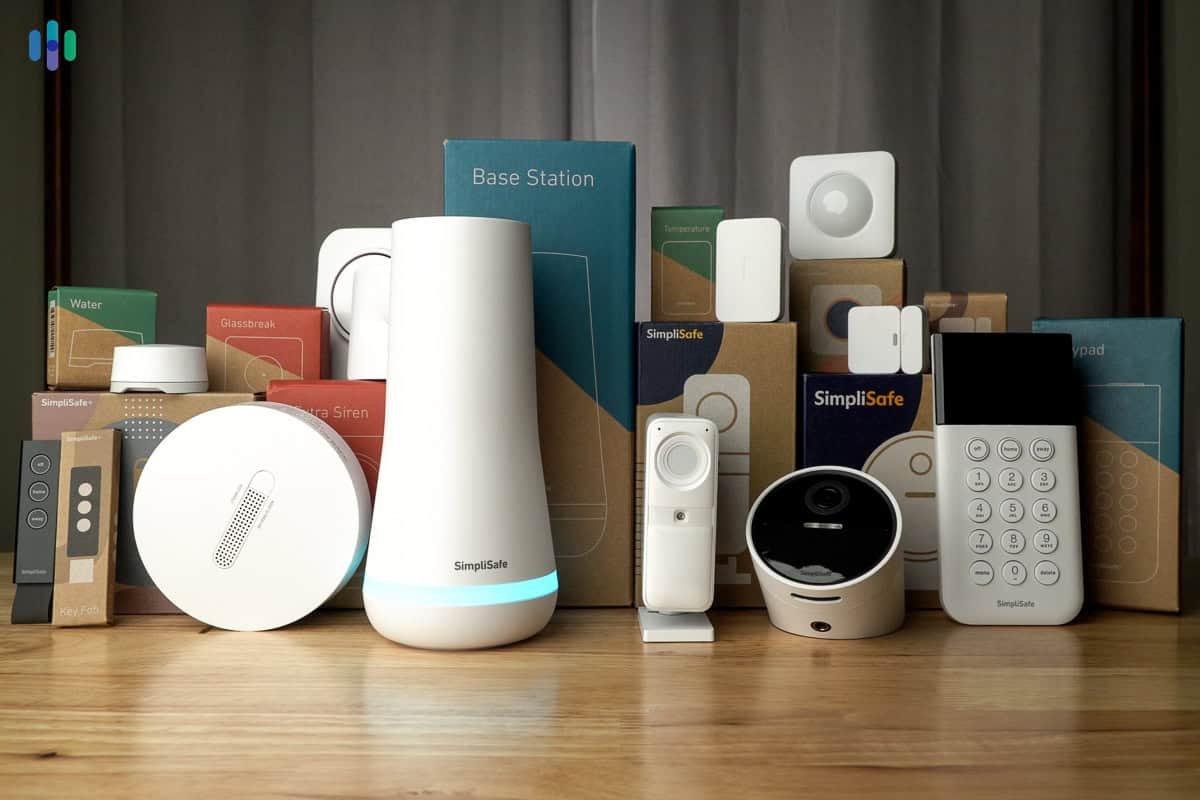
- Wireless smart cameras – Battery-operated and easy to mount without drilling
- Portable door and window sensors – Adhesive-based sensors that alert you to movement
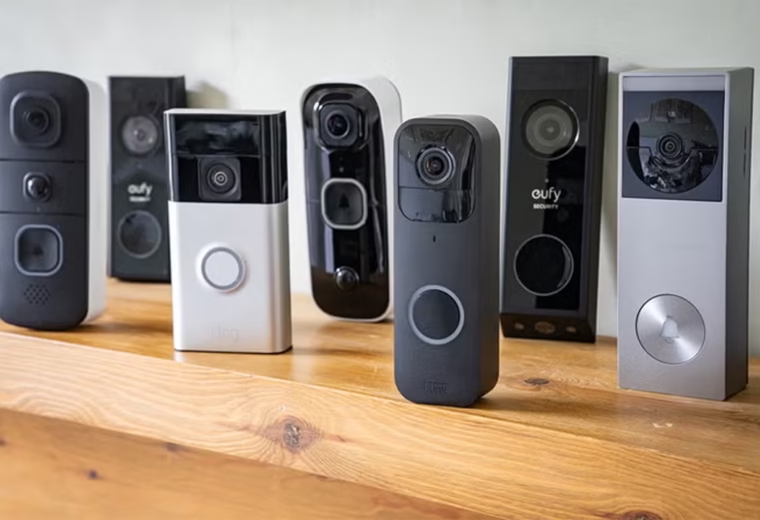
- Smart video doorbells – Many models now offer no-drill mounting options
- Standalone alarm systems – Compact, plug-in alarms that don’t require professional installation
These options offer solid protection while remaining fully portable when you move.
3. Best Home Security System Options for Homeowners
Homeowners have more freedom to invest in permanent, comprehensive security setups. The best home security system for homeowners typically includes:
- Wired camera systems – Reliable, continuous power without battery concerns
- Professional monitoring services – 24/7 monitoring with direct police dispatch
- Smart locks integrated with home automation – Enhanced convenience and security
- Perimeter sensors and motion detectors – Comprehensive property-wide coverage
(Internal link opportunity: link to a “Smart Doorbell Cameras” article here)
These systems often require professional installation but offer more robust, long-term protection.
4. Comparing Costs: Renters vs Homeowners
Cost is a major factor when choosing the best home security system. Here’s a general comparison:
- Renters – Typically spend less upfront since systems are wireless and self-installed
- Homeowners – May invest more initially but often save through bundled monitoring plans
- Monthly monitoring fees – Apply to both groups if opting for professional monitoring services
- Long-term value – Homeowners often see better ROI since systems stay with the property
Understanding these cost differences helps you budget appropriately based on your living situation.
5. Smart Home Integration for Both Renters and Homeowners
Regardless of whether you rent or own, smart home integration enhances the best home security system setup significantly.
- Connect cameras and alarms to a smartphone app for remote monitoring
- Use voice assistants for quick system control
- Set up automated alerts for unusual activity
- Integrate with smart lighting to simulate occupancy while away
Smart integration adds convenience without requiring major structural changes to the property.
6. Key Features to Look for in Any System
When evaluating the best home security system, certain features consistently deliver the most value:
- Motion detection with smart alerts – Reduces false alarms while catching real threats
- Night vision capability – Ensures footage quality in low-light conditions
- Cloud or local storage options – Provides backup footage access when needed
- Two-way audio – Allows communication through cameras or doorbells
Prioritizing these features ensures you get reliable protection regardless of your property type.
7. Installation Tips for Renters
Since permanent installation isn’t always possible, renters should follow specific tips when setting up the best home security system for their unit.
- Always check with your landlord before installing any device
- Choose adhesive or magnetic mounts over drilled installations
- Keep original packaging to reinstall in a new home easily
- Test battery-powered devices regularly to ensure consistent performance
Following these guidelines ensures compliance with rental agreements while maintaining strong security.
8. Installation Tips for Homeowners
Homeowners have more flexibility but should still plan installations carefully for the best home security system performance.
- Position cameras at entry points, driveways, and blind spots
- Consider professional installation for wired systems to ensure proper setup
- Regularly update firmware and software for connected devices
- Test the system periodically to confirm all components function correctly
(Internal link opportunity: link to a “Home Improvement Checklist Before Selling” article here)
Proper installation maximizes the effectiveness of your security investment.
Frequently Asked Questions
1. What is the best home security system for apartments? Wireless cameras, portable sensors, and plug-in alarms work best for apartments since they require no permanent installation.
2. Can renters install security cameras legally? Yes, in most cases, but it’s important to check lease agreements and avoid drilling or permanent modifications.
3. Is professional monitoring worth the extra cost? Professional monitoring offers 24/7 protection and faster emergency response, making it valuable for added peace of mind.
4. What’s the difference between wired and wireless security systems? Wired systems offer consistent power and reliability, while wireless systems provide flexibility and easier installation.
5. How much does a good home security system cost? Costs vary widely based on features, but both budget-friendly wireless options and premium wired systems are available.
6. Can I take my home security system when I move? Wireless systems designed for renters are typically portable, while wired systems installed by homeowners usually stay with the property.
Conclusion
Choosing the best home security system depends on whether you’re renting or own your home, along with your specific budget and needs. Renters benefit from flexible, wireless solutions, while homeowners can invest in comprehensive, permanent setups for long-term protection.
Assess your living situation and prioritize the features that matter most to you. Ready to secure your home? Start comparing options today and take the first step toward better protection.
Suggested Image Alt Text:
- “Best home security system for renters with wireless cameras”
- “Homeowner security system with wired cameras and smart locks”
- “Smart home security app for remote monitoring”