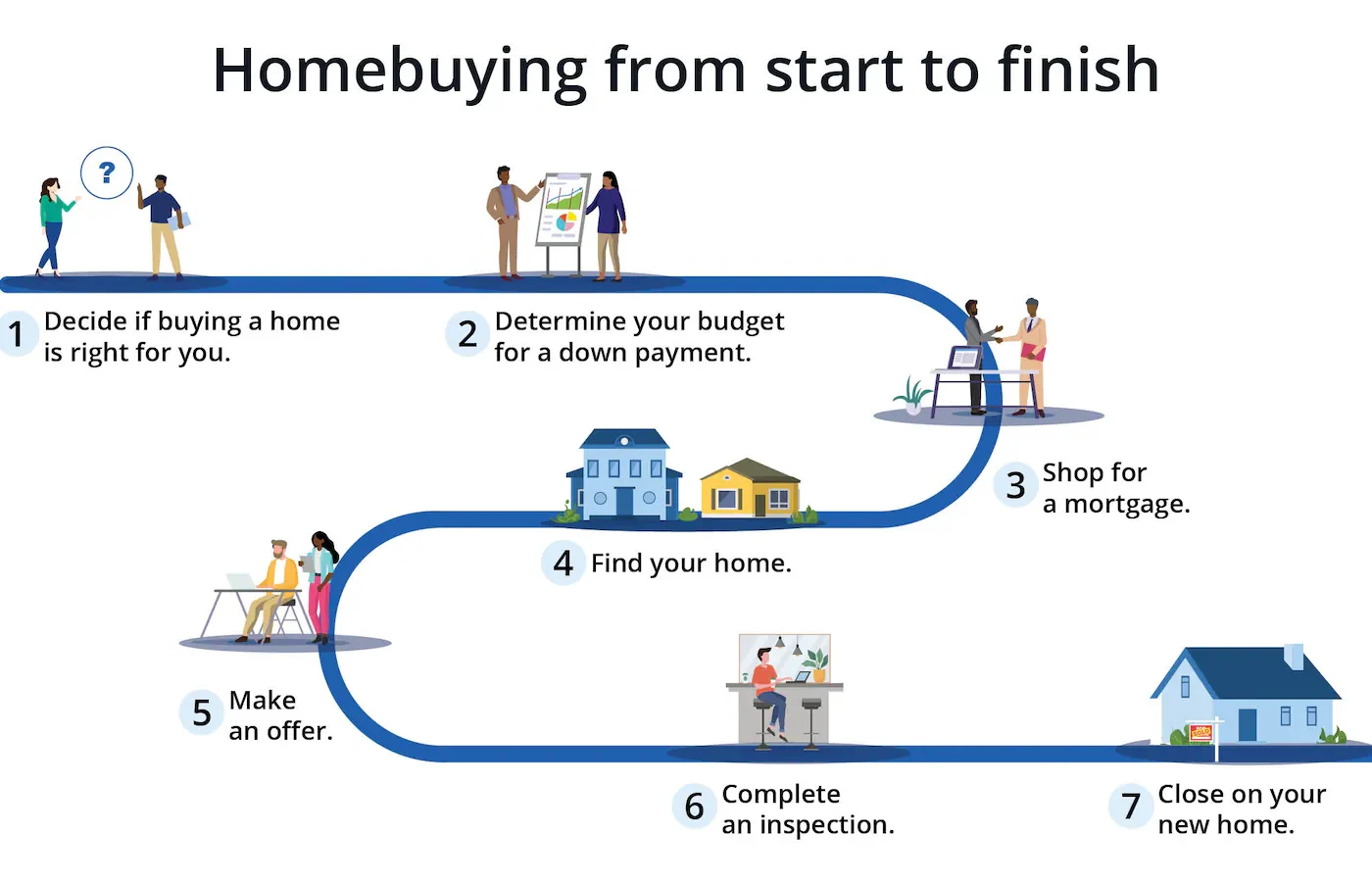
Buying your first property can feel overwhelming, which is exactly why a clear first time home buyer guide is so valuable. From budgeting to paperwork, there are many steps involved, and missing even one can lead to costly mistakes.
A well-structured first time home buyer guide breaks the process into manageable stages, helping you make informed decisions at every step. Whether you’re exploring loan options or evaluating properties, understanding the full journey builds confidence.
In this guide, we’ll walk through the essential steps every first-time buyer should follow to purchase their first house smoothly and confidently.
1. Assess Your Financial Readiness
The first step in any first time home buyer guide is understanding your financial situation clearly before house hunting begins.
- Review your savings for down payment requirements
- Check your credit score, as it directly affects loan eligibility
- Calculate your debt-to-income ratio for loan approval chances
- Set a realistic budget based on your monthly income and expenses
Understanding your finances upfront prevents disappointment later when narrowing down property options.
2. Get Pre-Approved for a Home Loan
Loan pre-approval is a critical step that every first time home buyer guide emphasizes before beginning serious property searches.
- Pre-approval shows sellers you’re a serious, qualified buyer
- Helps you understand exactly how much you can borrow
- Compare interest rates and terms across different lenders
- Gather necessary documents like income proof and identification early
(Internal link opportunity: link to a “How to Increase Home Value Before Selling” article here)
Having pre-approval in hand also speeds up the overall buying process once you find the right property.
3. Determine Your Must-Haves vs Nice-to-Haves
Every first time home buyer guide recommends creating a clear list of priorities before viewing properties.
- Identify non-negotiable features like location or number of bedrooms
- List preferences that are flexible if budget constraints arise
- Consider proximity to work, schools, and essential amenities
- Think about future needs, not just current requirements
Having clear priorities prevents decision fatigue and helps you evaluate properties more objectively.
4. Start House Hunting Strategically
With financing and priorities in place, the next phase of any first time home buyer guide involves actively searching for properties.
- Work with a reputable real estate agent familiar with your target area
- Visit multiple properties to compare value and condition
- Research neighborhood safety, infrastructure, and future development plans
- Consider resale value even for your first purchase
Taking time during this phase prevents rushed decisions that could lead to regret later.
5. Conduct a Thorough Property Inspection
Before finalizing any purchase, a proper inspection is essential according to every reliable first time home buyer guide.
- Hire a professional inspector to assess structural integrity
- Check for plumbing, electrical, and roofing issues
- Verify legal documentation and property titles are clear
- Ask about any pending disputes or litigation on the property
(Internal link opportunity: link to a “Home Improvement Checklist Before Selling” article here)
A thorough inspection protects you from unexpected repair costs after purchase.
6. Understand Legal and Documentation Requirements
Legal paperwork is often the most confusing part of the process, making this section of any first time home buyer guide particularly important.
- Verify property title and ownership history
- Check for necessary approvals and clearances
- Understand registration and stamp duty costs in your state
- Consult a legal expert to review all documentation before signing
Skipping proper legal verification can lead to significant complications after the purchase is complete.
7. Plan for Additional Costs Beyond the Purchase Price
A comprehensive first time home buyer guide always highlights costs beyond just the property price itself.
- Registration and stamp duty fees
- Home loan processing charges
- Moving and relocation expenses
- Initial furnishing and repair costs
- Property insurance and maintenance reserves
Budgeting for these additional expenses prevents financial strain after moving into your new home.
8. Finalize the Purchase and Move In
The final step in any first time home buyer guide involves completing paperwork and officially taking possession of your new home.
- Review the sale agreement carefully before signing
- Ensure loan disbursement aligns with payment schedules
- Complete property registration and transfer formalities
- Conduct a final walkthrough before taking possession
Once everything is finalized, you can confidently move into your first home, having navigated the process thoroughly.
Frequently Asked Questions
1. What is the first step in a first time home buyer guide? Assessing your financial readiness, including savings and credit score, is the essential starting point before house hunting.
2. How much down payment do first-time buyers typically need? This varies by lender and loan type, but having a substantial down payment improves loan terms and approval chances.
3. Should I get pre-approved before house hunting? Yes, pre-approval clarifies your budget and shows sellers you’re a serious, qualified buyer.
4. What should I check during a property inspection? Structural integrity, plumbing, electrical systems, and legal documentation are key areas every buyer should verify.
5. What additional costs should first-time buyers budget for? Registration fees, stamp duty, moving expenses, and initial repairs are common costs beyond the purchase price.
6. How long does the home buying process typically take? Timelines vary, but the process from house hunting to possession often takes a few months depending on financing and paperwork.
Conclusion
Following this first time home buyer guide helps you navigate the process confidently, from financial planning to final possession. Each step, from loan pre-approval to legal verification, plays a crucial role in ensuring a smooth purchase.
Take your time, prioritize thorough research, and don’t hesitate to seek professional guidance along the way. Ready to start your home buying journey? Begin assessing your finances today.
Suggested Image Alt Text:
- “First time home buyer guide checklist for new homeowners”
- “Couple reviewing home loan documents for first house purchase”
- “Property inspection during first time home buying process”