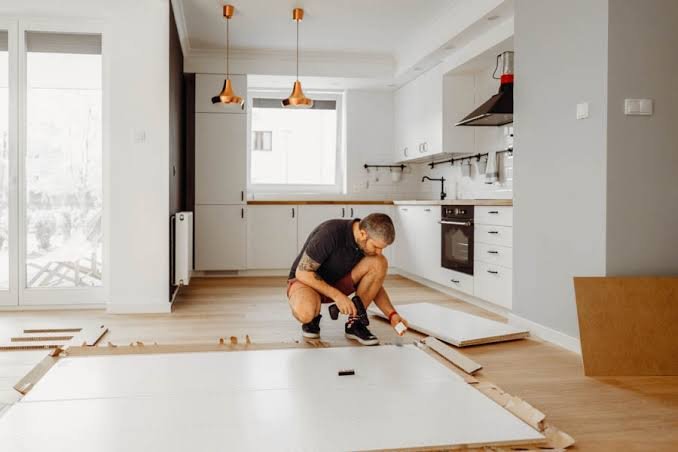
Selling your home soon? A solid home improvement checklist can be the difference between a quick sale at a great price and your property sitting on the market for months. Buyers today are more detail-oriented than ever, and even small issues can lower their confidence in your home.
That’s why having a clear home improvement checklist before listing your property is essential. It helps you prioritize fixes that matter, avoid wasting money on unnecessary upgrades, and present your home in the best possible light.
In this guide, we’ll cover exactly what to inspect, repair, and refresh before putting your house on the market.
1. Start With a Full Home Inspection
Before touching any tools, walk through your entire home with a critical eye—or better, hire a professional inspector. This step forms the foundation of your home improvement checklist.
- Check for water damage, cracks, or mold
- Test all electrical switches and outlets
- Inspect plumbing for leaks or slow drains
A professional inspection report also gives you leverage during price negotiations, since you can address issues upfront.
2. Fix Structural and Safety Issues First
Buyers—and their inspectors—will flag structural problems immediately. These should always top your home improvement checklist because they affect both safety and loan approvals.
- Repair cracked walls, ceilings, or foundations
- Fix loose railings or unstable staircases
- Address any roof leaks or damaged shingles
Ignoring these issues often leads to lower offers or buyers walking away entirely.
3. Repaint Walls in Neutral Tones
A fresh coat of paint is one of the most cost-effective updates on any home improvement checklist. Neutral colors like white, beige, or light grey help buyers imagine their own furniture and style in the space.
Avoid bold or unusual colors, as they can make rooms feel smaller or overly personalized, which may turn off potential buyers.
(Internal link opportunity: link to a “Best Exterior Paint Colors for Indian Homes” article here)
4. Upgrade Kitchen and Bathroom Details
Kitchens and bathrooms heavily influence buying decisions. You don’t need a full renovation—small fixes go a long way.
- Replace leaking taps or old fixtures
- Re-caulk sinks, tubs, and tile edges
- Update cabinet handles for a modern look
These affordable touches make the entire home feel well-maintained.
5. Improve Flooring Condition
Damaged or worn flooring is an immediate red flag for buyers. Depending on your budget, consider:
- Deep-cleaning or polishing existing floors
- Replacing broken or chipped tiles
- Repairing squeaky floorboards
Flooring condition often reflects how well a home has been cared for, so this step deserves attention on your home improvement checklist.
6. Boost Curb Appeal
First impressions start outside. A well-maintained exterior invites buyers in with confidence.
- Trim overgrown bushes and mow the lawn
- Repaint or clean the front door
- Fix broken fences, gates, or pathways
(Internal link opportunity: link to a “Low-Maintenance Garden Ideas” article here)
7. Check Electrical and Lighting Systems
Outdated or faulty wiring is a major concern for buyers. Ensure all lights work properly and replace any flickering or dim fixtures.
- Test every switch and socket in the house
- Replace old bulbs with bright LED lighting
- Fix exposed wiring immediately for safety
Good lighting also makes rooms appear larger and more welcoming during viewings.
8. Declutter and Deep Clean Every Room
The final step on your home improvement checklist is presentation. A clean, clutter-free home photographs better and feels more spacious.
- Remove personal items and excess furniture
- Deep-clean carpets, windows, and kitchen surfaces
- Organize closets and storage areas neatly
Staged homes consistently sell faster than cluttered ones, making this a crucial final step.
Frequently Asked Questions
1. What should be on a home improvement checklist before selling? Focus on structural repairs, plumbing, electrical safety, fresh paint, and curb appeal—these directly influence buyer confidence.
2. Do I need to renovate the kitchen before selling? Not necessarily. Minor upgrades like new fixtures or fresh paint often provide better returns than a full renovation.
3. How much should I spend on pre-sale home improvements? Costs vary, but focusing on essential repairs and cosmetic touch-ups usually offers the best return without overspending.
4. Is it worth hiring a professional home inspector before selling? Yes, an inspection helps identify hidden issues early, allowing you to fix them before buyers or their inspectors find them.
5. How long does it take to complete a pre-sale home improvement checklist? Depending on the scope, most checklists can be completed within two to six weeks with proper planning.
6. Does curb appeal really affect the selling price? Yes, curb appeal creates the first impression and significantly influences whether buyers want to see more of the home.
Conclusion
A thoughtful home improvement checklist ensures your house is ready to impress buyers and sell at the best possible price. From fixing structural issues to boosting curb appeal, every step on this list plays a role in building buyer trust and confidence.
Start early, prioritize essential repairs, and don’t underestimate the power of a clean, well-presented home. Ready to get started? Walk through your home today and check off the first item on your list.
Suggested Image Alt Text:
- “Home improvement checklist for pre-sale repairs and upgrades”
- “Freshly painted living room ready for home sale”
- “Well-maintained exterior boosting curb appeal before selling”