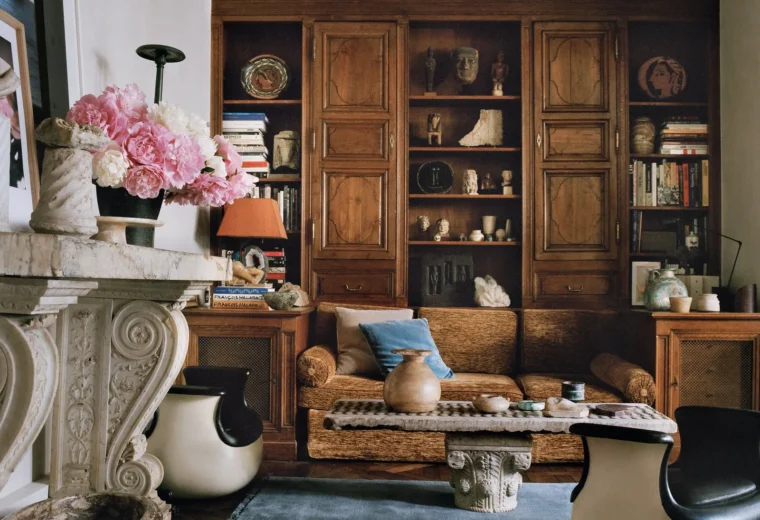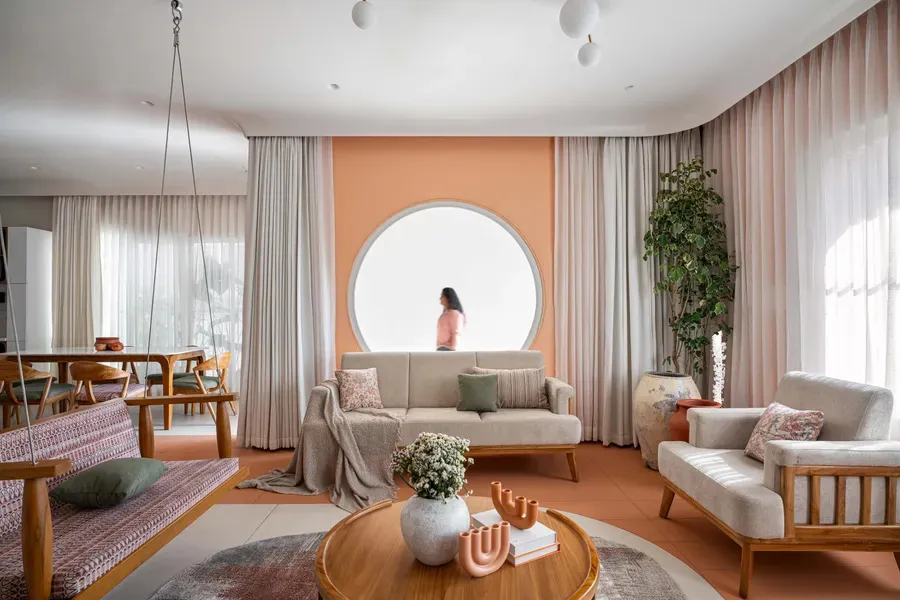
Embracing minimalist home design can transform a chaotic, cluttered space into a calm, intentional living environment. Many people assume minimalism means empty rooms, but it’s really about surrounding yourself with only what truly matters.
Practicing minimalist home design principles helps reduce visual noise, simplify daily routines, and create spaces that genuinely support your lifestyle. This approach isn’t about deprivation—it’s about intentional, thoughtful living.
In this guide, we’ll explore practical minimalist home design ideas that help you achieve a clutter-free home without sacrificing comfort or personality.
1. Understanding the Philosophy Behind Minimalist Home Design
Before diving into specific techniques, it helps to understand the core principles guiding minimalist home design choices.
- Focus on quality over quantity when selecting furniture and decor
- Prioritize functionality alongside aesthetic appeal
- Create breathing room within each space rather than filling every corner
- Choose items intentionally rather than accumulating them passively
This mindset shift forms the foundation for all practical minimalist home design decisions that follow.
2. Declutter Before You Decorate
The first practical step toward minimalist home design involves thoroughly decluttering before making any new additions.
- Remove items you haven’t used in the past year
- Ask whether each item serves a genuine purpose or brings real joy
- Donate, sell, or discard belongings that no longer fit your lifestyle
- Tackle one room at a time to avoid feeling overwhelmed
(Internal link opportunity: link to a “Deep Cleaning Checklist Room-by-Room Guide” article here)
This foundational step creates the necessary space for a truly minimalist home design approach to succeed.
3. Choose a Neutral, Cohesive Color Palette
Color plays a significant role in achieving successful minimalist home design, as cohesive palettes create visual calm throughout a space.
- Whites, soft greys, and warm neutrals form the foundation of most minimalist spaces
- Limit accent colors to one or two complementary tones
- Avoid overly busy patterns that compete for visual attention
- Use texture rather than color to add depth and interest
(Internal link opportunity: link to a “How to Choose Paint Color for Every Room” article here)
This simplified approach to color creates a serene, uncluttered visual experience throughout the home.
4. Invest in Multi-Functional Furniture
Practical minimalist home design relies heavily on furniture that serves multiple purposes without unnecessary excess.
- Storage ottomans that double as seating and hidden storage
- Extendable dining tables that adapt to different occasions
- Wall-mounted desks that fold away when not in use
- Beds with built-in drawers for maximizing bedroom storage
Choosing versatile pieces reduces the total number of items needed while maintaining full functionality.
5. Embrace Open, Uncluttered Layouts
Spatial planning is central to effective minimalist home design, emphasizing openness and intentional furniture placement.
- Allow generous negative space between furniture pieces
- Avoid overcrowding rooms with unnecessary decorative items
- Choose furniture with slim profiles and exposed legs for visual lightness
- Create clear pathways throughout each room for better flow
This approach makes spaces feel calmer and more spacious, even in smaller homes.
6. Implement Smart Storage Solutions
Effective storage is essential for maintaining minimalist home design principles long-term, keeping belongings organized and out of sight.
- Use closed storage like cabinets to hide everyday clutter
- Install built-in shelving that blends seamlessly with walls
- Adopt a “one in, one out” rule for new purchases
- Regularly reassess belongings to prevent gradual clutter accumulation
Consistent organizational habits ensure your minimalist home design remains sustainable rather than a one-time effort.
7. Curate Meaningful Decor Instead of Excess
Minimalist home design doesn’t mean eliminating personality—it means choosing decor thoughtfully rather than accumulating excessively.
- Display a few meaningful, high-quality pieces rather than numerous small items
- Rotate seasonal decor instead of displaying everything simultaneously
- Choose artwork or objects with genuine personal significance
- Allow empty wall space to remain, rather than filling every surface
This intentional approach to decor creates visual interest without overwhelming the overall aesthetic.
8. Maintain Minimalism as an Ongoing Practice
Successful minimalist home design requires ongoing commitment rather than a single decluttering effort.
- Schedule regular reviews of belongings every few months
- Be mindful of new purchases and their long-term necessity
- Involve family members in maintaining shared minimalist principles
- Celebrate the calm and clarity that comes with sustained minimalism
(Internal link opportunity: link to a “Budget Home Decorating Ideas” article here)
Treating minimalism as an ongoing lifestyle, rather than a one-time project, ensures lasting results.
Frequently Asked Questions
1. Does minimalist home design mean having very little furniture? Not necessarily; it focuses on functional, intentional pieces rather than simply minimizing quantity for its own sake.
2. How do I start transitioning to minimalist home design? Begin by decluttering one room at a time, removing items that no longer serve a genuine purpose in your life.
3. Can minimalist home design work in small apartments? Yes, minimalist principles are particularly effective in small spaces, as they maximize functionality and reduce visual clutter.
4. Is minimalist home design expensive to achieve? Not necessarily; decluttering and simplifying existing spaces often costs little to nothing beyond thoughtful organization.
5. How do I maintain a minimalist home long-term? Regular decluttering, mindful purchasing habits, and involving family members help sustain minimalist principles over time.
6. Can minimalist homes still feel warm and personal? Yes, curating a few meaningful, high-quality decor pieces adds warmth and personality without creating clutter.
Conclusion
These minimalist home design ideas prove that a clutter-free life doesn’t require sacrificing comfort or personal style. From thoughtful decluttering to intentional decor choices, minimalism creates calmer, more functional living spaces.
Start with one room and gradually apply these principles throughout your home. Ready for a clutter-free life? Begin your minimalist home design journey today.
Suggested Image Alt Text:
- “Minimalist home design living room with neutral color palette”
- “Clutter-free minimalist bedroom with functional storage”
- “Open layout minimalist home design with multi-functional furniture”