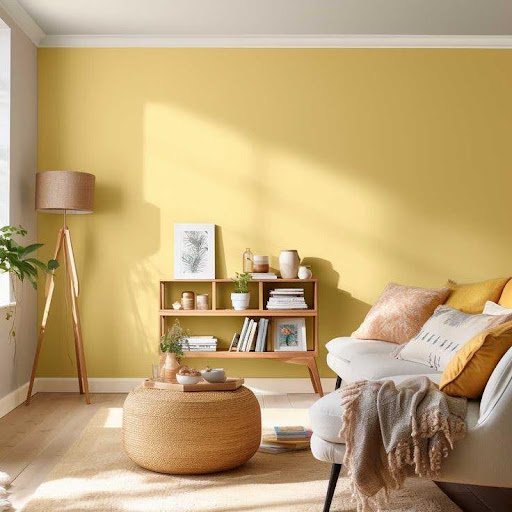
Figuring out how to choose paint color that truly works for your space can feel overwhelming with endless options available. What looks perfect on a small sample card often appears completely different once applied across an entire wall.
Learning how to choose paint color effectively involves understanding lighting, room function, and color psychology together. With the right approach, you can confidently select shades that enhance each room’s mood and purpose.
In this guide, we’ll walk through practical steps for how to choose paint color for every room in your home, ensuring results that match your vision.
1. Consider Natural and Artificial Lighting
One of the most important factors in how to choose paint color correctly involves understanding how lighting affects appearance throughout the day.
- Rooms with abundant natural light can handle darker, bolder shades
- Spaces with limited natural light benefit from lighter, reflective colors
- Test paint samples at different times of day before committing
- Consider how artificial lighting, like warm or cool bulbs, affects color perception
Testing samples under actual room conditions prevents disappointing surprises after full application.
2. Understand Color Psychology for Each Room
Knowing how to choose paint color also means understanding how different shades influence mood and atmosphere.
- Blues and greens – Create calming effects, ideal for bedrooms
- Yellows and oranges – Energize spaces, suitable for kitchens or dining areas
- Neutrals like beige or grey – Offer versatility and timeless appeal
- Deep reds – Add warmth and drama, often used in dining rooms
Aligning color psychology with room function helps create spaces that feel intentional and cohesive.
3. Choosing Paint Colors for Living Rooms
Living rooms often benefit from versatile, welcoming colors that accommodate various activities and furnishings.
- Neutral tones like warm grey or soft beige work well as a base
- Consider accent walls in bolder colors for visual interest
- Ensure chosen colors complement existing furniture and decor
- Test how colors interact with natural light throughout the day
(Internal link opportunity: link to a “2026 Interior Design Trends” article here)
Living rooms typically see the most foot traffic, so timeless, adaptable colors often work best long-term.
4. Choosing Paint Colors for Bedrooms
Bedrooms require careful consideration since color significantly impacts relaxation and sleep quality.
- Soft blues, greens, and lavenders promote calmness and rest
- Avoid overly stimulating bright colors that may disrupt sleep
- Consider personal preferences alongside general color psychology
- Test samples in both daylight and evening lighting conditions
Since bedrooms are personal retreats, prioritizing colors that genuinely relax you matters most in this space.
5. Choosing Paint Colors for Kitchens
Kitchens benefit from colors that energize while remaining practical for a high-activity space.
- Warm tones like soft yellow or terracotta create inviting atmospheres
- White or light neutrals make small kitchens feel more spacious
- Consider how colors complement cabinetry and countertops
- Choose washable, durable paint finishes for easy maintenance
Balancing aesthetic appeal with practicality ensures your kitchen remains both beautiful and functional.
6. Choosing Paint Colors for Bathrooms
Bathroom color choices should account for moisture resistance alongside aesthetic preferences when learning how to choose paint color effectively.
- Light blues and greens create spa-like, calming atmospheres
- Use moisture-resistant paint formulated specifically for bathrooms
- Lighter colors help smaller bathrooms feel more open and airy
- Consider how colors pair with existing tile and fixture finishes
(Internal link opportunity: link to a “Bathroom Renovation Ideas on a Small Budget” article here)
Proper paint selection here also helps prevent moisture-related damage over time.
7. Testing Colors Before Full Application
Regardless of room type, testing is a crucial step in how to choose paint color confidently before committing to a full project.
- Purchase small sample pots of your top color choices
- Apply patches on multiple walls to observe different lighting
- Observe colors at different times of day for several days
- Consider how colors look alongside existing furniture and decor
This testing phase prevents costly mistakes and ensures satisfaction with your final color choice.
8. Creating Flow Between Connected Rooms
Understanding how to choose paint color also involves considering how colors transition between open or connected spaces.
- Choose complementary tones for rooms that flow into each other
- Maintain consistent undertones throughout connected areas
- Use trim colors to create subtle transitions between spaces
- Consider a cohesive color palette for the entire home’s flow
(Internal link opportunity: link to a “Small Living Room Decorating Ideas” article here)
Thoughtful color coordination creates a harmonious, professionally designed feel throughout your home.
Frequently Asked Questions
1. How do I choose paint color for a small room? Lighter, reflective colors like soft white or pale grey help small rooms feel more open and spacious.
2. What paint colors make a room look bigger? Light neutrals, whites, and cool tones generally create an illusion of more space compared to darker shades.
3. Should I test paint samples before buying full cans? Yes, testing samples under actual lighting conditions prevents disappointment after full wall application.
4. What color paint is best for bedrooms? Calming shades like soft blue, green, or lavender are commonly recommended for restful bedroom environments.
5. How does lighting affect paint color choice? Natural and artificial lighting significantly change how colors appear, making in-room testing essential before deciding.
6. Can I use the same color throughout my entire home? While possible, varying complementary shades by room often creates more visual interest while maintaining overall cohesion.
Conclusion
Learning how to choose paint color effectively involves considering lighting, room function, and personal style together. From calming bedrooms to energizing kitchens, thoughtful color selection transforms how each space feels and functions.
Take time to test samples and observe how colors interact with your specific lighting conditions. Ready to transform your home? Start selecting your paint colors today.
Suggested Image Alt Text:
- “How to choose paint color testing samples on wall”
- “Calming blue paint color choice for bedroom”
- “Warm neutral paint color for living room walls”