Understanding interior painting cost is essential before deciding whether to tackle the project yourself or hire a professional. Both options come with distinct advantages, and the right choice depends on your budget, timeline, and skill level.
While DIY painting can significantly reduce interior painting cost, professional services offer expertise and time savings that many homeowners value. Weighing these factors carefully helps you make the most cost-effective decision for your specific situation.
In this guide, we’ll break down interior painting cost for both DIY and professional approaches, helping you choose the option that best suits your needs.
1. Factors That Influence Interior Painting Cost
Before comparing DIY versus professional options, it’s important to understand what generally drives interior painting cost.
- Room size and total wall area to be painted
- Quality and type of paint selected
- Number of coats required for proper coverage
- Complexity of the space, including trim, ceilings, or textured walls
- Labor rates if hiring professional painters
These factors apply whether you choose DIY or professional painting, though their impact varies between approaches.
2. DIY Interior Painting Cost Breakdown
Choosing the DIY route significantly reduces interior painting cost by eliminating labor charges, though it requires your own time and effort.
- Paint and primer – Major cost component, varying by brand and quality
- Brushes, rollers, and trays – One-time investment for basic tools
- Painter’s tape and drop cloths – Protects surfaces during application
- Ladder or extension poles – Necessary for reaching higher areas
(Internal link opportunity: link to a “How to Choose Paint Color for Every Room” article here)
DIY painting typically costs significantly less than professional services, though quality depends heavily on your skill and preparation.
3. Professional Interior Painting Cost Breakdown
Hiring professionals increases interior painting cost but often delivers superior results with less time investment from homeowners.
- Labor charges – Typically the largest portion of professional costs
- Materials – Often included in professional quotes, sometimes at bulk pricing
- Surface preparation – Professionals handle repairs, sanding, and priming
- Cleanup services – Included in most professional painting packages
Professional interior painting cost varies based on experience level, location, and project complexity.
4. Time Investment Comparison
Beyond monetary interior painting cost, time investment differs significantly between DIY and professional approaches.
- DIY painting often takes considerably longer, especially for beginners
- Professionals typically complete projects faster due to experience and efficiency
- Multiple rooms extend timelines significantly for DIY projects
- Consider your available time when evaluating overall project value
For busy homeowners, the time saved through professional services may justify the higher interior painting cost.
5. Quality and Finish Considerations
Result quality significantly differs between DIY and professional painting, impacting the overall value beyond just interior painting cost.
- Professionals achieve smoother, more consistent finishes
- Proper surface preparation by professionals prevents future peeling or cracking
- DIY results may show brush marks or uneven coverage without experience
- Professional work often includes touch-ups and quality guarantees
Higher upfront professional costs may prevent costly touch-ups or redos required after imperfect DIY attempts.
6. When DIY Painting Makes Sense
Choosing DIY to manage interior painting cost works well in certain situations.
- Small rooms or single-wall accent projects
- Homeowners with prior painting experience
- Flexible timelines without urgent deadlines
- Simple color changes without extensive wall repairs needed
(Internal link opportunity: link to a “Budget-Friendly Home Improvement Ideas” article here)
DIY painting offers excellent value for straightforward projects where quality expectations align with your skill level.
7. When Hiring a Professional Makes Sense
Despite higher interior painting cost, professional services are often worth the investment in specific circumstances.
- Large-scale projects covering multiple rooms
- Homes with high ceilings or difficult-to-reach areas
- Situations requiring extensive wall repairs before painting
- Time-sensitive projects, such as preparing a home for sale
Professional expertise ensures quality results, particularly for complex or large-scale painting projects.
8. Tips to Reduce Interior Painting Cost Regardless of Approach
Whether choosing DIY or professional services, these tips help manage interior painting cost effectively.
- Purchase paint during sales or promotional periods
- Get multiple quotes from professional painters before deciding
- Prepare surfaces properly to avoid costly rework
- Consider painting during off-peak seasons for better professional rates
Smart planning helps optimize your budget regardless of which painting approach you choose.
Frequently Asked Questions
1. Is DIY painting significantly cheaper than hiring professionals? Yes, DIY painting typically costs considerably less since it eliminates labor charges, though quality may vary based on skill.
2. What factors most affect interior painting cost? Room size, paint quality, number of coats, and labor charges (if hiring professionals) most significantly influence overall cost.
3. How long does professional interior painting typically take? Timelines vary by project size, but professionals generally complete work faster than DIY approaches due to experience.
4. Should I hire professionals for just one room? For smaller, simple projects, DIY often makes sense, while professionals are better suited for larger or complex spaces.
5. Does professional painting include wall repairs? Many professional services include basic surface preparation and repairs, though this should be confirmed before hiring.
6. Can I save money by preparing walls myself before hiring painters? Yes, handling basic prep work yourself can sometimes reduce overall professional interior painting cost.
Conclusion
Comparing interior painting cost for DIY versus professional services helps you choose the option that best fits your budget, timeline, and quality expectations. While DIY offers significant savings, professional services provide expertise and time efficiency for larger or complex projects.
Evaluate your specific project needs and available time before making a final decision. Ready to start your painting project? Get quotes or gather supplies today.
Suggested Image Alt Text:
- “Interior painting cost comparison DIY tools and supplies”
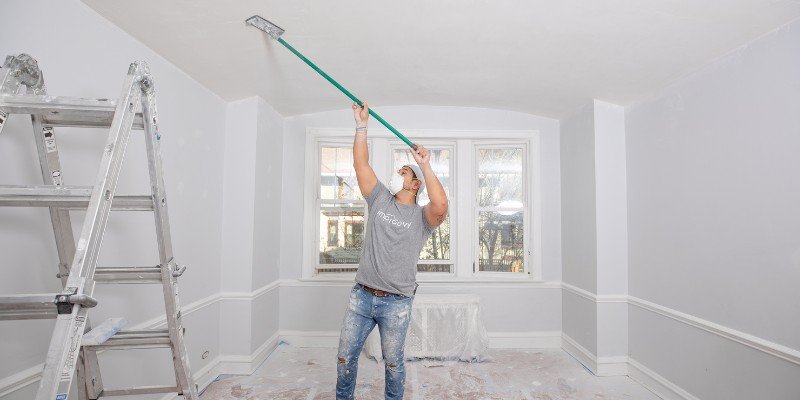
- “Professional painter working on interior wall project”
- “DIY interior painting project with roller and paint tray”